PFP Resources
Explore practical guidance, reports, and lessons learned to support durable conservation through Project Finance for Permanence.
Tools and Insights for Durable Conservation
Shared Learning
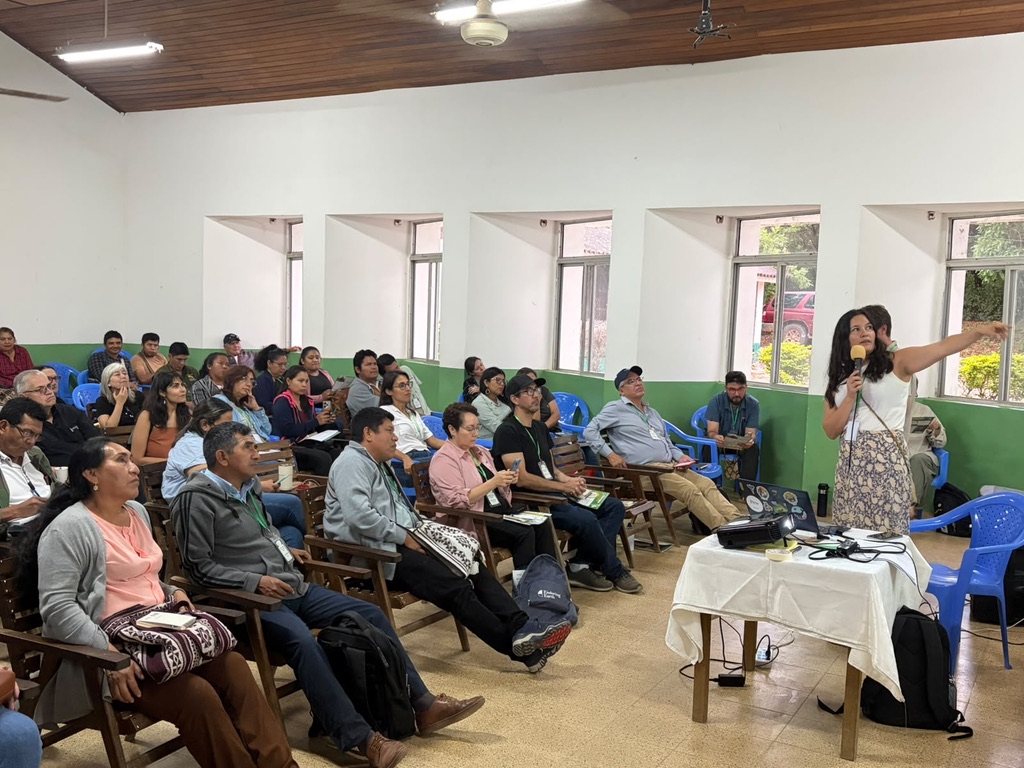
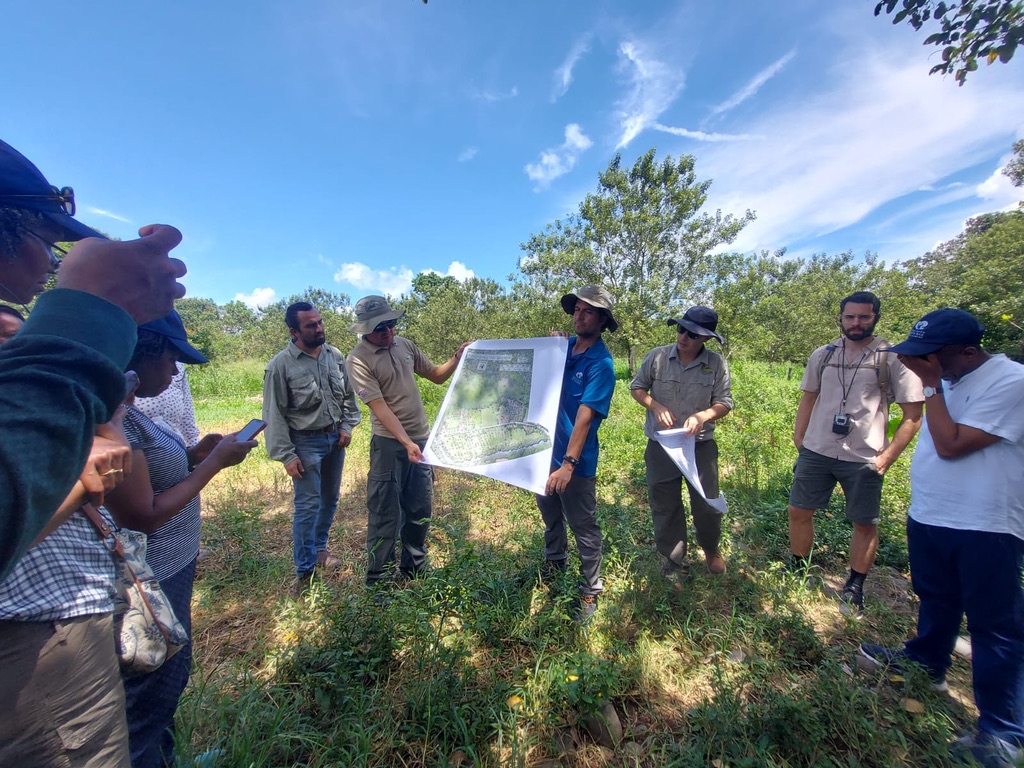
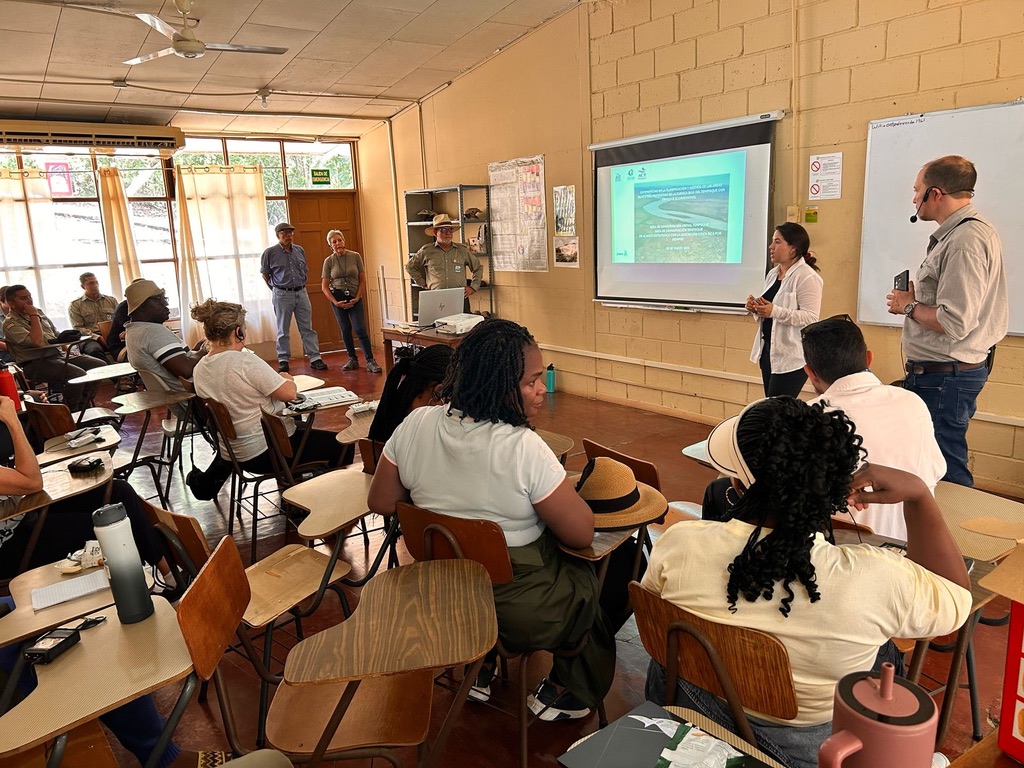
Every PFP is unique, but the challenges are often shared: aligning partners, building financial models, co-designing frameworks and plans, and measuring long-term results. Templates, case studies, and peer exchange turn individual experience into a common resource and help teams start faster and stay on track as people and governments change. Each project strengthens the next.
Explore Resources
Commissioned by Enduring Earth with support from the Global Environment Facility (GEF) project ‘Accelerating Sustainable Finance Solutions to Achieve Durable Conservation’, this series looks at how a wider range of Sustainable Finance Mechanisms (SFMs) can strengthen the long-term durability of Project Finance for Permanence (PFP) initiatives.
The series is designed for Enduring Earth partners and other PFP practitioners. It offers practical guidance to diversify financing strategies, attract new forms of capital, and secure conservation outcomes for the long term.
01
Baseline and Opportunity Analysis of Sustainable Finance Mechanisms for the PFP Model
This report maps how SFMs are used across PFP initiatives today and where new opportunities lie. It assesses policy-based, market-based, sovereign, and non-sovereign mechanisms against five criteria: applicability, volume, durability, timing, and additionality.
02
The analysis identified two mechanisms that partners were especially interested in but that have been little explored in the PFP context so far. Each one now has a dedicated prototype to guide evaluation and design.
03
Blended finance uses catalytic public or philanthropic capital to unlock private investment. Drawing on examples from Namibia, Kenya, and across Africa and Asia, the prototype describes two models for PFPs. A sustainable enterprise model invests in conservation-linked small and medium enterprises. A stewardship transition model strengthens community livelihoods through sustainable practices. Both are complements to core conservation funding, helping build local economies in sectors such as tourism, fisheries, and agroforestry.
04
Outcome-based bonds give conservation work capital up front, and investor returns depend partly on verified results. The prototype draws on World Bank issuances such as South Africa’s $150 million Wildlife Conservation Bond (Rhino Bond”) and Brazil’s $225 million Amazon Reforestation-Linked Outcome Bond. It finds that philanthropy-backed models are the most immediately relevant for PFPs. It then sets out a phased roadmap for defining measurable outcomes, building monitoring and verification systems, and partnering with multilateral development banks.
How diverse funding sources sustain conservation and communities for generations
PFP Knowledge Sharing in Practice